Why Branding and Signage Matter More Than Ever
In today’s competitive local market, businesses need more than just a good product or service to stand out—they need a strong, recognizable brand. Whether someone is driving past your storefront, receiving a flyer, or searching for services online, your visual identity plays a critical role in shaping their perception and influencing their decisions.
Branding and signage work together to create a cohesive experience that builds trust, increases visibility, and drives customer action. When done correctly, they help your business become instantly recognizable and memorable within your community. This guide breaks down exactly how to build, execute, and refine a powerful branding and signage strategy that delivers real results.
Define a Clear and Consistent Brand Identity
Before investing in any physical marketing materials, it’s essential to establish a clear brand identity. This serves as the foundation for every visual and messaging decision you make moving forward.
Start by identifying your target audience. Are you appealing to homeowners, business owners, or a niche market? Understanding who you’re trying to reach will guide your tone, design choices, and messaging. Next, define your core value proposition—what makes your business different from competitors?
Once you’ve clarified your positioning, translate it into visual elements. Choose a color palette that reflects your brand personality, select fonts that are readable and consistent, and create a logo that is versatile across multiple formats. Consistency is key; every touchpoint should feel like it belongs to the same brand.
Working with experienced sign designers can help bring your vision to life while ensuring your branding translates effectively across different mediums. They understand how design choices impact visibility, readability, and overall impact in real-world environments.
To maintain consistency, create a simple brand guideline document. This should include your logo usage rules, color codes, typography, and examples of proper layouts. Having this reference ensures that anyone creating materials for your business stays aligned with your brand identity.
Create a Strong Visual Presence at Your Location
Your physical location is often the first interaction customers have with your business, making it one of the most important branding opportunities you have.
Investing in high-quality custom exterior signs ensures your business stands out and is easy to identify from a distance. Clear, well-designed signage helps customers find you quickly and communicates professionalism before they even walk through the door.
For businesses looking to elevate their storefront appearance, local channel letters offer a polished, dimensional look that enhances visibility both day and night. These illuminated signs are especially effective in high-traffic areas where standing out is critical.
When designing your signage, focus on simplicity and readability. Use bold fonts, high-contrast colors, and minimal text. Avoid clutter—your goal is to communicate who you are and what you offer in just a few seconds.
Placement also matters. Make sure your signage is positioned at eye level or in clear line of sight for passing traffic. Consider how it looks from different angles and distances, and test visibility during both daytime and nighttime conditions.
Turn Everyday Movement into Marketing Opportunities
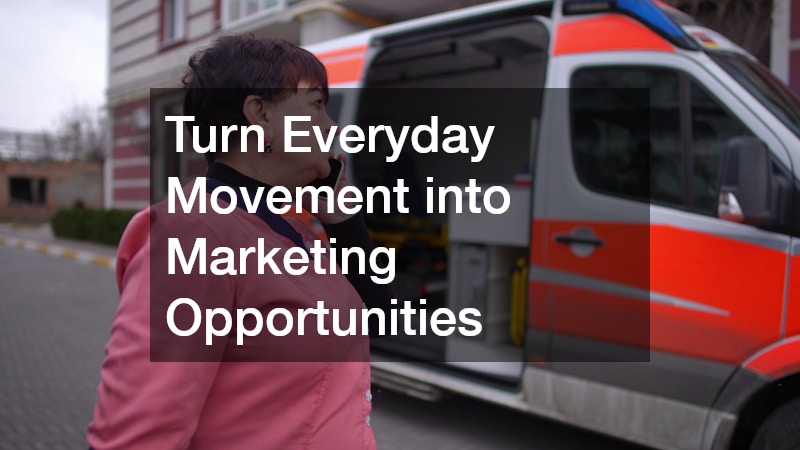
One of the most underutilized branding tools for local businesses is mobile advertising. Every time your vehicle is on the road, it has the potential to reach hundreds or even thousands of people. Unlike traditional ads that require ongoing spend, this form of marketing works continuously, turning routine travel into consistent brand exposure without additional effort.
A professional vehicle wrap service can transform your company vehicles into moving advertisements that reinforce your brand wherever they go. This is especially effective for service-based businesses that travel frequently within a specific geographic area. Whether parked at a job site or driving through busy streets, your vehicle becomes a highly visible extension of your brand presence.
The key to an effective vehicle design is simplicity. Focus on your logo, primary message, and contact information. Avoid overcrowding the design with too much text or unnecessary graphics. People often only have a few seconds to view your vehicle, so clarity is essential. Bold visuals and concise messaging will leave a stronger impression than overly detailed layouts.
Consistency is also important. Your vehicle design should match your storefront signage, website, and printed materials. This reinforces brand recognition and helps build trust with your audience. When people see the same colors, fonts, and logo across multiple touchpoints, your business becomes more memorable and credible.
Additionally, ensure your contact information is easy to read from a distance. Use large, legible fonts and place key details on both sides and the rear of the vehicle for maximum visibility. Thoughtful placement ensures your message is seen whether your vehicle is moving or stationary, increasing the chances of generating leads.
Strengthen Brand Recognition Through Wearable Marketing

Branded apparel is a powerful way to extend your visibility beyond traditional marketing channels. It turns employees, customers, and supporters into walking advertisements for your business.
Providing staff with uniforms creates a sense of professionalism and consistency. It also makes it easier for customers to identify employees, especially in busy environments. High-quality custom t shirt designs can reinforce your brand while remaining comfortable and practical for everyday use.
Promotional apparel can also be used as a marketing tool. Giving away branded items at events, contests, or as part of a purchase can increase brand exposure and create a lasting impression.
To ensure quality and consistency, it’s important to partner with a reliable screen printing company. They can help you select the right materials, printing techniques, and finishes to achieve a professional look that holds up over time.
When designing apparel, keep it simple. Focus on your logo and brand colors, and avoid overly complex designs that may not translate well onto fabric. The goal is to create something people will actually want to wear.
Use Printed Materials to Support Customer Engagement
While digital marketing is essential, printed materials still play a valuable role in local business branding. They provide a tangible way for customers to engage with your brand and remember your services. Unlike digital ads that can be quickly scrolled past or forgotten, physical materials create a lasting impression that customers can revisit at any time.
Well-designed brochures can effectively communicate your offerings, highlight key benefits, and guide potential customers toward taking action. They are particularly useful in face-to-face interactions, such as consultations or events, where you can walk a prospect through your services step by step. Including visuals, testimonials, and concise service descriptions can make brochures even more persuasive and informative.
Business cards remain a staple for networking and referrals. High-quality cards leave a lasting impression and make it easy for customers to share your information with others. Working with reputable business card print shops ensures your materials reflect the professionalism of your brand through premium finishes, durable stock, and clean design. A well-crafted card can often be the difference between being remembered or overlooked.
When creating print materials, focus on clarity and organization. Use headings, bullet points, and visuals to make information easy to digest. Include a clear call-to-action, such as visiting your website or contacting your business, so the next step is obvious to the reader.
Consistency with your overall branding is critical. Your printed materials should match your signage, website, and other marketing assets in terms of colors, fonts, and messaging, reinforcing a cohesive and recognizable brand identity across every interaction.
Capture Attention with Strategic Outdoor Promotions
Outdoor marketing is an effective way to attract attention and drive local awareness, especially when executed strategically.
Using custom banners for promotions, events, or seasonal campaigns can help you communicate timely messages to a wide audience. Whether you’re announcing a sale or promoting a new service, banners provide a flexible and cost-effective solution.
For more localized targeting, a custom yard sign can be placed in high-traffic areas or near completed projects. This is particularly effective for service-based businesses looking to showcase their work within specific neighborhoods.
Keep your messaging short and impactful. Focus on one key message and make sure it’s easy to read from a distance. Use bold colors and large fonts to maximize visibility.
Durability is also important. Choose materials that can withstand outdoor conditions, especially if your signage will be displayed for extended periods.
Ensure Consistency Across Every Customer Touchpoint
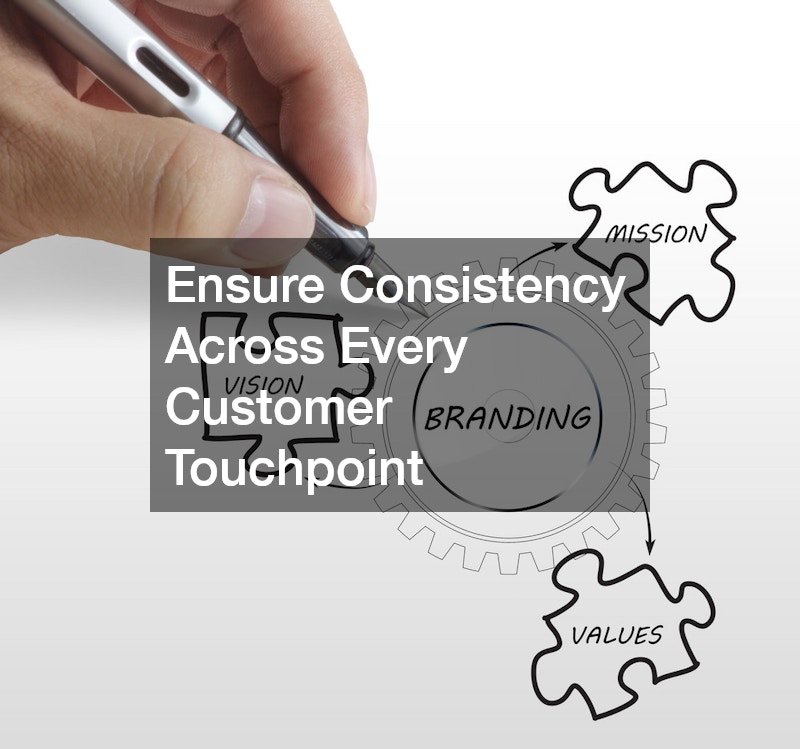
Consistency is one of the most important factors in building a strong brand. When customers encounter your business across different channels, they should have a cohesive and recognizable experience. Every interaction—whether online or offline—should reinforce the same visual identity and message, helping to build familiarity over time.
Your custom exterior signs should align with your printed materials, including brochures, to create a unified visual identity. This consistency reinforces your brand and makes it easier for customers to remember and trust your business. When colors, fonts, logos, and messaging remain consistent, it reduces confusion and strengthens recognition, even after just a few interactions. A customer who sees your signage and later receives your printed materials should immediately connect the two without hesitation.
Regularly review your branding assets to ensure they remain aligned. Over time, inconsistencies can creep in as new materials are created or updates are made. Conducting periodic audits helps maintain a polished and professional image. This includes checking for outdated logos, mismatched colors, or variations in tone that may dilute your brand. Even small inconsistencies can weaken the overall perception of your business.
It’s also important to train your team on brand guidelines. Anyone involved in creating or using marketing materials should understand how to apply your brand standards correctly. Providing clear documentation and examples ensures that everyone contributes to a consistent, professional presentation that supports long-term brand growth.
Design with Simplicity and Readability in Mind
Effective branding isn’t about adding more—it’s about refining what matters most. Simple, clear designs are more memorable and easier for customers to understand.
When creating materials such as custom banners or vehicle wrap service designs, prioritize readability. Use high-contrast color combinations and limit the amount of text. Focus on delivering one clear message rather than trying to communicate everything at once.
Consider how your designs will be viewed in real-world conditions. For example, a banner may be seen from across the street, while a vehicle design may be viewed while in motion. Testing your designs in these contexts can help identify areas for improvement.
Whitespace is your friend. Giving elements room to breathe makes your design more visually appealing and easier to read.
Invest in Quality Materials and Production
The quality of your branding materials reflects directly on your business. Investing in high-quality production can make a significant difference in how your brand is perceived.
Working with a trusted screen printing company ensures your apparel looks professional and maintains its appearance over time. Similarly, choosing reputable business card print shops can elevate your printed materials with premium finishes and durable stock.
Avoid cutting corners on materials. Low-quality signage or print materials can fade, tear, or appear unprofessional, ultimately harming your brand image.
Consider the long-term value of your investment. High-quality materials may have a higher upfront cost, but they often last longer and provide a better return over time.
Measure Results and Continuously Improve Your Strategy

Branding is not a one-time effort—it’s an ongoing process that evolves with your business and market conditions.
Track how customers are finding your business and which marketing materials are driving the most engagement. For example, ask new customers whether they discovered you through signage, referrals, or promotional items like a custom yard sign or custom t shirt.
Use this feedback to refine your strategy. If certain materials are performing well, consider investing more in those areas. If others are underperforming, evaluate what changes can be made to improve their effectiveness.
Testing different designs, messages, and placements can also provide valuable insights. Small adjustments can lead to significant improvements over time.
Staying proactive and adaptable ensures your branding remains effective and relevant in a constantly changing marketplace.
Building a Brand That Lasts
Creating a strong local brand requires more than just good design—it demands consistency, strategy, and ongoing effort. By combining effective signage with thoughtful branding across all touchpoints, businesses can build trust, increase visibility, and drive long-term growth.
The most successful brands are those that remain consistent, invest in quality, and continuously refine their approach based on real-world results. By following the strategies outlined in this guide, you can create a cohesive and impactful brand presence that stands out in your local market and continues to deliver value over time.