Maintaining a commercial facility requires a proactive approach that balances immediate operational demands with long-term capital investments. Unplanned repairs and neglected upkeep can swiftly erode profit margins, disrupt daily operations, and compromise the safety of employees and visitors. Establishing a dedicated, resilient maintenance budget ensures that properties remain safe, efficient, and visually appealing throughout the year. By treating building upkeep as an essential business investment rather than an unavoidable expense, enterprise leaders can preserve asset value, minimize costly emergency interventions, and foster a productive environment for all occupants.
Developing a robust financial blueprint for property management demands strategic foresight, detailed asset tracking, and a clear understanding of immediate versus future facility needs. Facility managers must navigate fluctuating service costs, seasonal maintenance cycles, and aging infrastructure. A structured budgeting strategy provides the framework necessary to allocate resources efficiently, streamline vendor management, and absorb sudden operational shocks without destabilizing the broader corporate ledger.
Fundamentals of Commercial Facility Financial Planning
Conducting Comprehensive Historical Cost Audits
To establish a baseline for future spending, business administrators must analyze past financial records. Reviewing invoices, service logs, and utility bills from the preceding three to five years reveals distinct spending patterns, recurring seasonal spikes, and underlying operational inefficiencies. This retrospective evaluation clarifies how much capital is consistently required to keep physical assets in peak condition. Identifying historical trends allows management to eliminate recurring waste, renegotiate underperforming vendor contracts, and forecast future line items with far greater accuracy.
Differentiating Operational and Capital Budgets
A sound property budget separates day-to-day operating expenses from capital expenditures. Operating costs cover routine upkeep, recurring vendor contracts, minor repairs, and consumables required for daily functionality. Capital expenditures, on the other hand, fund major structural overhauls, system replacements, and property enhancements that extend asset lifespans over several years. Distinguishing between these two financial categories prevents routine operational expenses from draining funds reserved for major infrastructure upgrades, keeping overall corporate accounting structured and transparent.
Establishing Dedicated Contingency Reserves
Unforeseen mechanical breakdowns, severe weather events, and structural issues are inevitable across the lifecycle of any physical asset. A well-designed facility budget reserves a specific percentage of its total allocation, typically between ten and fifteen percent, solely for emergency remediation. Maintaining this liquid buffer ensures that critical repairs are addressed immediately without reallocating capital from other essential business departments or incurring high-interest short-term debt during an operational crisis.
Core Exterior Maintenance and Curb Appeal Strategies
Preserving Outer Building Shells
The external envelope of a physical asset acts as its first line of defense against atmospheric conditions, thermal transfer, and moisture intrusion. Routine cleaning, sealing, and exterior restoration protect structural materials like masonry, precast concrete, and glass from premature degradation. Scheduling regular commercial power washing cleans away accumulated dirt, airborne pollutants, mold, and stubborn grime, preserving the professional appearance of exterior walls and sidewalks while preventing long-term material decay.
Managing Surrounding Grounds and Landscapes
First impressions heavily influence how clients, visitors, and prospective tenants perceive a commercial establishment. Well-maintained lawns, manicured shrubs, clear walkways, and healthy trees communicate professionalism and attention to detail. Partnering with professional local commercial grounds maintenance vendors ensures that outdoor areas remain clean, safe, and visually engaging across all seasons, while also mitigating hazards like overgrown branches or obscured security signage.
Upkeep of Vehicle Access and Parking Areas
Asphalt and concrete driveways endure constant heavy vehicle traffic, weight pressure, and extreme temperature variations that cause cracking, pothole formation, and structural erosion. Regular surface sealing, crack filling, and restriping protect pavement integrity and maintain clear traffic patterns. When wear becomes severe, investing in professional parking lot paving restores structural stability, eliminates tripping hazards, reduces vehicle damage risks, and maintains a clean, polished entry point for the business.
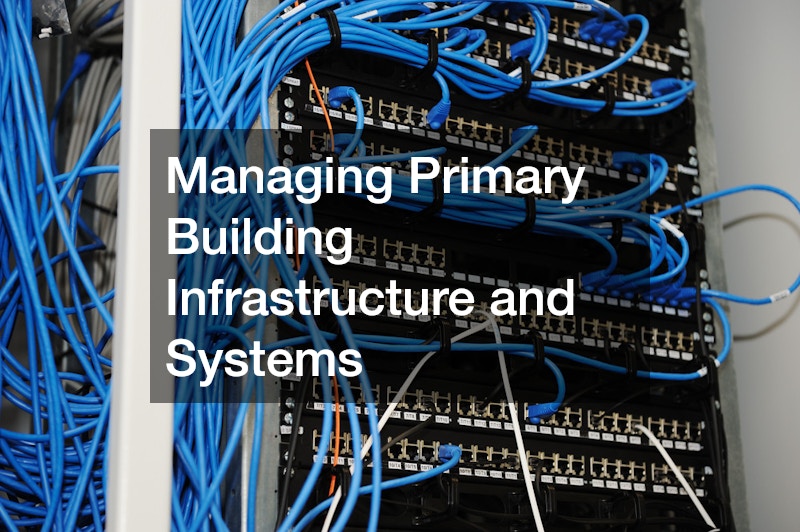
Managing Primary Building Infrastructure and Systems
Safeguarding Overhead Roofing Systems
A building roof is exposed to continuous environmental stress, including severe heat, heavy precipitation, UV radiation, and high winds. Undetected roof leaks can damage internal ceilings, ruin expensive inventory, foster hazardous mold growth, and compromise structural framing. Executing a formal commercial roof inspection twice a year allows technicians to identify minor membrane tears, damaged flashing, or clogged drainage channels before they turn into severe, multi-thousand-dollar structural failures.
Executing Timely Overhead System Upgrades
Over time, atmospheric wear and deferred maintenance will cause any roofing assembly to reach the end of its functional life cycle. Patching a failing roof repeatedly often leads to higher cumulative costs than replacing the structure entirely. Allocating capital for high-quality commercial roofing solutions helps management select resilient, energy-efficient materials that reduce heating and cooling costs while providing long-term structural protection against severe climate events.
Coordinating Structural Renovations and Specialized Contracting
Executing complex structural alterations, tenant improvements, or major physical retrofits requires experienced oversight to ensure code compliance and structural integrity. Engaging licensed general contractors streamlines large-scale building initiatives, as these experts manage subcontractors, secure municipal permits, oversee safety compliance, and keep project schedules aligned with approved financial allocations.
Managing Essential Interior and Utility Systems
Upgrading Electrical Infrastructure and Power Systems
Modern business operations rely heavily on stable, uninterrupted electrical power to run computing systems, HVAC units, lighting, and heavy machinery. Outdated panels, overloaded circuits, or failing wiring introduce major operational hazards, including unexpected downtime and electrical fires. Engaging expert commercial electrical services ensures that facility power grids are regularly audited, modernized, and configured to meet current energy efficiency standards and heavy operational demands.
Resolving Immediate Water and Drainage Emergencies
Plumbing disruptions can force a commercial property to halt operations instantly, leading to substantial lost revenue, sanitary hazards, and severe structural water damage. Having rapid access to 24 hour emergency plumbing services protects business operations by ensuring that main line backups, severe pipe bursts, or critical fixture failures are contained and repaired immediately, regardless of when the failure occurs.
Developing Proactive Interior Pest Management Protocols
Pests inside a commercial workspace threaten occupant health, damage structural assets, spoil inventory, and invite severe regulatory penalties. Reactive treatments after an infestation takes root are costly and disruptive to ongoing operations. Implementing a detailed indoor pest control plan establishes ongoing preventative barriers, regular inspection cycles, and targeted treatments that keep working environments hygienic, compliant with health regulations, and completely free of unwanted pests.
Enhancing Physical Building Security and Access Control
Protecting corporate assets, confidential data, and employees requires reliable physical security infrastructure across all exterior access doors and restricted internal zones. High-traffic commercial facilities experience significant wear on door hardware, lock cylinders, and electronic keypads. Working with specialized commercial locksmiths guarantees that master key systems, panic hardware, electronic access locks, and emergency exit devices are properly installed, routinely tested, and rapidly repaired when compromised.
Strategic Cost-Control Measures for Facility Leaders
Transitioning from Reactive to Preventative Maintenance
Waiting for equipment to break before performing service is one of the most expensive ways to run a physical enterprise. Reactive maintenance forces management to pay premium emergency rates for rush labor, expedite shipping for spare parts, and absorb the high indirect costs of operational downtime. Transitioning to a scheduled, preventative maintenance model extends the working life of critical machinery, smooths out monthly expenditures, and drastically minimizes sudden operational disruptions.
Leveraging Technology and Facility Management Software
Modern computer-aided facility management systems provide real-time visibility into asset performance, maintenance history, and vendor spending. Utilizing digital tools enables facilities managers to automate work orders, track inventory usage, set preventative maintenance alerts, and maintain comprehensive digital records for every piece of equipment on the property.
-
Centralize historical maintenance records to evaluate whether aging equipment should be repaired or replaced.
-
Automate recurring preventative service requests to eliminate human error and oversight.
-
Monitor vendor performance metrics and track invoice accuracy against pre-agreed contract rates.
-
Log energy consumption data across distinct facility zones to identify hidden efficiency leaks.
-
Maintain digital spare parts inventories to prevent unnecessary reordering and eliminate repair delays.
Developing Strategic Vendor Partnerships
Building long-term, mutually beneficial relationships with trusted service providers leads to better pricing, higher service priority, and superior work quality. Rather than renegotiating one-off contracts for every minor repair, enterprise managers should negotiate master service agreements that consolidate spending across multiple service lines or physical locations in exchange for preferential pricing and guaranteed response times.
-
Negotiate comprehensive service contracts that include clear service level agreements and fixed response times.
-
Consolidate disparate service needs under master service providers to gain volume discounting.
-
Request detailed, itemized quotes for non-emergency projects to audit labor rates and material markups.
-
Establish formal vendor performance reviews every six to twelve months to ensure service quality remains high.
-
Mandate proper insurance coverage and licensing verifications before onboarding any external service contractor.
Long-Term Asset Lifecycle Management and Capital Planning
Developing Comprehensive Asset Inventories
Effective financial planning requires a complete, itemized understanding of every major physical component within a facility. Creating an exhaustive asset inventory involves logging every HVAC unit, roof section, plumbing manifold, electrical subpanel, and security mechanism along with its age, current condition, expected lifespan, and replacement cost. This comprehensive database forms the foundational architecture upon which accurate long-term capital replacement budgets are constructed.
Conducting Annual Facility Condition Assessments
A facility condition assessment offers a clear, objective snapshot of a property’s structural health and mechanical efficiency. Executing these formal evaluations on an annual basis helps managers spot subtle signs of material wear, structural fatigue, or code non-compliance before minor defects escalate into cataclysmic system failures. The findings from these annual audits directly inform upcoming budget cycles, ensuring funds are funneled directly to the areas of greatest need.
Balancing Short-Term Upkeep with Long-Term Capital Investments
Striking a balance between immediate daily repairs and long-term capital forecasting keeps an enterprise financially stable and operationally secure. Facility managers must look beyond twelve-month budget cycles and create rolling five-year and ten-year capital plans. This long-range perspective enables executives to smooth out massive capital expenditures over time, preventing deep financial shocks when major systems inevitably reach the end of their functional utility.
-
Reserve a fixed portion of the annual maintenance fund exclusively for multi-year capital replacement projects.
-
Prioritize capital upgrades that offer measurable energy efficiency gains or operational cost reductions.
-
Group related capital improvement projects together to reduce soft costs, site mobilization fees, and operational downtime.
-
Review local municipal codes and environmental regulations annually to anticipate mandatory compliance upgrades.
-
Track manufacturer warranty parameters carefully to avoid paying out-of-pocket for covered component repairs.
Sustainable and Energy-Efficient Facilities Management
Implementing Intelligent Energy Management Systems
Energy consumption represents one of the largest ongoing operational costs for any commercial building. Installing smart thermostats, automated lighting controls, and energy monitoring software allows management to track consumption patterns in real time and optimize heating, cooling, and power distribution based on actual occupancy levels. Reducing overall utility costs frees up vital operational funds that can be reallocated directly into physical maintenance and long-term capital improvement projects.
Conducting Regular Building Envelope Audits
Thermal leaks around doors, windows, expansion joints, and rooflines force HVAC systems to work significantly harder, accelerating mechanical wear and increasing monthly utility bills. Conducting thermal imaging audits across the exterior shell identifies hidden insulation gaps, air leaks, and moisture infiltration points. Sealing these vulnerabilities preserves climate control, reduces utility expenses, and protects internal structural components from humidity damage.
Implementing Sustainable Waste and Water Management Practices
Adopting eco-friendly operational practices lowers a commercial facility’s environmental footprint while simultaneously reducing utility costs. Installing low-flow plumbing fixtures, adopting smart landscape irrigation systems, and establishing comprehensive property-wide recycling programs lower ongoing resource consumption. These sustainable practices decrease municipal water and waste management fees, providing continuous financial savings that help support overall building upkeep budgets.
Maximizing Property Value Through Proactive Financial Planning
A well-structured facility maintenance budget is an essential driver of long-term business resilience and capital growth. By combining rigorous historical audit practices, structured contingency reserves, preventative upkeep schedules, and long-range capital planning, enterprise leaders can protect physical assets, optimize operational performance, and eliminate expensive surprise interventions. Treating building maintenance as an integral element of overarching corporate strategy ensures that commercial properties remain safe, efficient, functional, and highly valuable for decades to come.